Striking the right balance between pushing forward industry growth and keeping our beautiful environment in check is a tough gig many of us are navigating through today. Finding methods to shrink the carbon footprint left by Aussie aluminium mining and production matters, especially when you consider this industry chews up 1.6% of Australia’s total greenhouse gas emissions on its own.
Key Takeaways
- Australian aluminium mining focuses on reducing carbon emissions by using renewable energy sources and improving operational efficiency. This helps make the production process more sustainable while meeting global aluminium demands.
- The industry incorporates recycled materials into the production process, demonstrating its commitment to resource conservation and reduced environmental impact. This approach not only saves energy but also lessens waste, supporting a circular economy.
- Efforts towards responsible procurement ensure that sourcing practices align with sustainability goals. By adhering to ethical guidelines and promoting eco-friendly mining throughout the supply chain, the sector aims for minimal environmental damage.
- Advanced technology plays a key role in enhancing sustainability in aluminium production. Innovations like efficient machinery and better smelting processes contribute significantly to lowering emissions and boosting energy efficiency.
- Partnerships within the industry focus on developing sustainable solutions for challenges such as carbon footprint reduction, waste management, and recycling initiatives. Collaboration amplifies progress towards eco-friendly aluminium mining practices, benefiting both the environment and the communities involved.
Sustainable Mining Practices
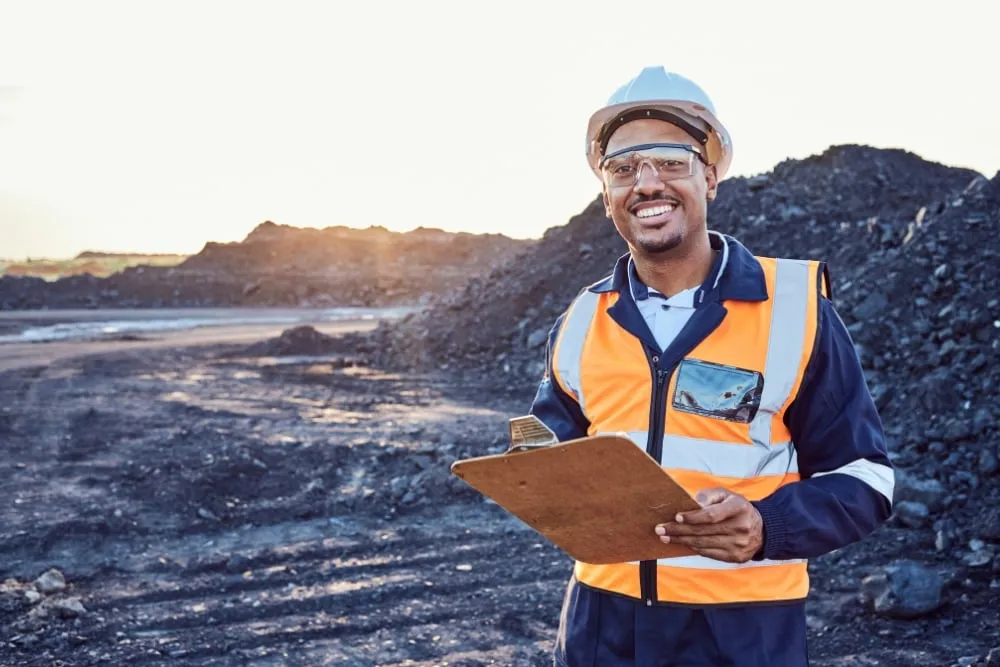
Aussie aluminium’s sustainable mining practices focus on reducing carbon emissions, using energy-efficient production methods, incorporating recycled materials, and effectively managing wastewater.
These efforts ensure responsible procurement and a commitment to environmental sustainability in the realm of aluminium mining and production.
Reducing carbon emissions
Cutting carbon emissions is a serious focus in Australian aluminium mining and production. Using renewable energy sources instead of relying heavily on fossil fuels is part of that focus.
This switch reduces the carbon footprint of production and sets a sustainable example for the industry.
In addition, efficiency can be improved in every aspect of operations. More efficient machinery and refined production processes can produce aluminium with much lower emissions.
This effort is crucial for protecting the environment while still meeting global demands for aluminium.
Energy-efficient production
Energy-efficient production optimises resource use, significantly reducing the carbon footprint. Innovative technologies and efficient equipment help minimise energy usage during the aluminium production process.
These methods reduce environmental impact while meeting the high demand for sustainable aluminium products.
Energy efficiency in production also provides a competitive advantage in the industry. As an environmentally conscious consumer, you can trust that your choice of aluminium products supports eco-friendly mining practices and contributes to conserving resources for future generations.
Use of recycled materials
Aluminium production can incorporate recycled materials, reducing the demand for raw resources and lessening environmental impact. Employing recycled materials in production contributes to resource conservation and reduces energy consumption.
This sustainable practice aligns with environmentally friendly mining and responsible production.
Responsible procurement
Responsible procurement prioritises sourcing practices that align with sustainability. This approach involves ensuring ethical sourcing, promoting eco-friendly mining, and supporting conservation measures through the supply chain.
Adhering to bauxite mining guidelines and leveraging green technology support sustainable procurement in the aluminium industry while addressing environmental impact mitigation at every stage.
A focus on ethical sourcing and wastewater treatment can enhance metal production sustainability.
Waste water management
Wastewater management is part of sustainable production. It involves minimising water usage and using advanced treatment processes so that water discharged from facilities meets strict environmental standards.
Responsible wastewater management safeguards local ecosystems.
Innovative technologies and processes can optimise wastewater management, further reducing its impact on the environment.
Environmental and Social Impacts
Mitigating environmental impacts and identifying culturally significant areas are priorities for mining operations. Addressing social impacts in the communities where mining takes place helps ensure that its presence brings positive change.
Mitigating environmental impacts
Measures to mitigate environmental impacts include reducing carbon emissions, managing wastewater efficiently, and using recycled materials in production. Identifying culturally significant areas is part of responsible mining practices.
These efforts are crucial in ensuring the sustainability of mining operations and minimising their ecological footprint.
Such initiatives help safeguard the environment while meeting the ever-increasing demand for aluminium sustainably. Mitigating environmental impacts supports a healthier planet for current and future generations.
Identifying culturally significant areas
Identifying and respecting culturally significant areas throughout mining operations aligns with the values of traditional land custodians. This means working closely with local Indigenous communities to pinpoint these areas and implement measures that safeguard their cultural heritage.
The approach involves ongoing collaboration and consultation with Indigenous elders and community members, ensuring their voices are heard and respected in the decision-making process.
These are sustainable practices that honour the cultural significance of these lands.
Addressing social impacts
Engaging with local communities helps Australian aluminium mining and production understand and address social impacts. This includes collaborating with indigenous groups to identify culturally significant areas, respecting their heritage, and aiming for sustainable mining practices.
Providing employment opportunities and supporting community development initiatives in the regions where mining operates also helps ensure that its activities contribute positively to the social fabric.
Furthermore, environmental stewardship is a crucial aspect of sustainability. Wastewater management strategies can prioritise preserving local ecosystems and protecting water sources important for nearby communities.
Additionally, proactive measures can mitigate potential negative impacts of operations on surrounding societies.
Advancements and Future Outlook
The industry is witnessing remarkable technological advancements and forming collaborations and partnerships to advance sustainability in Australian aluminium mining. Ongoing commitment to sustainable practices is shaping the future of aluminium production.
Technological advancements
Technological advancements in Australian aluminium mining and production have significantly enhanced sustainability practices. New technologies, such as advanced electrolytic cells and smelting processes, improve energy efficiency and contribute to reducing carbon emissions.
These innovations also support the use of recycled materials in metal production, further promoting eco-friendly mining practices. The ongoing integration of these technologies into operations supports sustainable aluminium production.
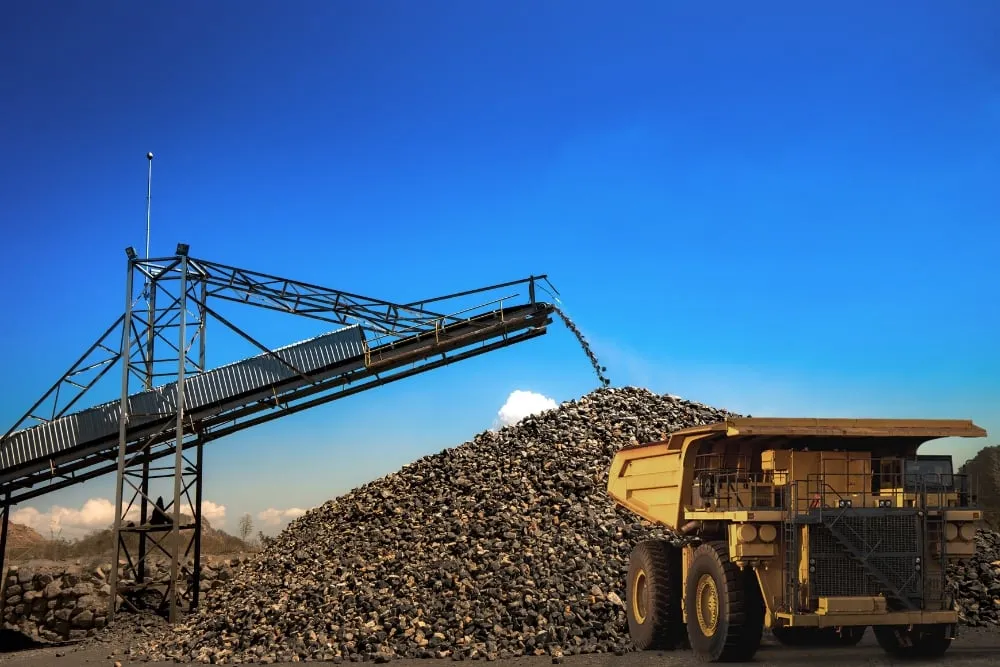
Embracing technological advancements enhances environmental practices and supports social impact mitigation and the identification of culturally significant areas.
Collaborations and partnerships
Collaboration within the industry helps develop sustainable solutions. Such partnerships focus on reducing carbon emissions, implementing energy-efficient production methods, and promoting the use of recycled materials.
Working together can create eco-friendly mining practices that benefit both the environment and the community. These collaborations form the foundation for a more sustainable future in aluminium production.
Partnerships with organisations committed to responsible procurement and wastewater management add to these efforts. These joint efforts foster positive environmental and social impacts within the aluminium industry.
Ongoing commitment to sustainability
Ongoing commitment to sustainability means continuing to reduce carbon emissions, further improving energy-efficient production processes, and expanding the use of recycled materials.
Responsible procurement practices and advanced wastewater management techniques minimise environmental impact and contribute to a sustainable future for Australian aluminium mining and production.
Sustainability in the Aluminium Industry
The Aluminium industry showcases competitive advantages with potential benefits for the environment and sustainable product usage, which aligns with ongoing commitments to sustainability.
Competitive advantage
Sustainable practices in aluminium mining and production can help producers stay ahead of the competition. These practices reduce carbon emissions, increase energy efficiency, and make use of recycled materials in production processes.
This contributes to a healthier environment and can give producers a competitive edge in the industry. Sustainability also helps producers meet the growing demand for eco-friendly products and maintain a strong position in the market.
In addition, investing in sustainable practices gives Aussie aluminium mining and production an advantage over other players by reducing costs related to waste management and energy consumption.
Benefits for the environment
Reducing carbon emissions contributes to cleaner air, while energy-efficient production conserves natural resources. Utilising recycled materials minimises waste and lessens the strain on raw material sources.
Eco-friendly mining practices support biodiversity and help preserve our planet’s delicate ecosystems.
These sustainable efforts lead to a healthier environment for all, ensuring that future generations can also enjoy the beauty of our natural world.
Economic benefits
Sustainable practices benefit the environment and also offer economic advantages. Reducing carbon emissions and implementing energy-efficient production lower operational costs and enhance competitiveness in the aluminium industry.
The use of recycled materials further reduces expenses while supporting a circular economy. These sustainable initiatives contribute to a greener planet and offer cost savings that can positively affect product pricing, creating value for producers and customers.
Metal production sustainability
In aluminium production, energy-efficient practices and the use of recycled materials support metal sustainability. Reducing carbon emissions underpins an environmentally responsible approach.
Rigorous wastewater management and responsible procurement support sustainable mining initiatives. These efforts not only benefit the environment but also contribute to competitive advantages in our industry.
Eco-friendly mining processes let aluminium customers choose products that align with their own sustainability goals. Seeking opportunities for sustainable product usage and incorporating advancements into operations can also enhance the economic benefits of sustainable metal production.
Opportunities for sustainable product usage
The aluminium industry provides a plethora of sustainable product usage opportunities. Transitioning to eco-friendly packaging solutions is pivotal for reducing the environmental impact.
Many companies are introducing recyclable aluminium packaging, promoting sustainability, and aiding in waste reduction. Additionally, incorporating lightweight and durable aluminium products into various sectors such as automotive, construction, and electronics contributes to energy efficiency and lowers the carbon footprint.
Furthermore, repurposing recycled aluminium into new products not only reduces energy consumption but also supports the circular economy by minimising waste generation. Encouraging the use of long-lasting aluminium goods amongst consumers can significantly reduce the need for frequent replacements, thereby conserving resources while sustaining economic benefits in the long run.
Embrace Sustainable Practices in Australian Aluminium
Sustainable mining practices in Australian aluminium production entail reducing carbon emissions and employing energy-efficient production methods. Utilising recycled materials and responsibly managing wastewater contribute to eco-friendly mining.
Mitigating environmental impacts, identifying culturally significant areas, and addressing social impacts are crucial in this process. Ongoing commitment to sustainability, technological advancements, and collaborations further the advancement of sustainable practices in the industry.
This commitment not only benefits the environment but also provides economic advantages while ensuring metal production sustainability for future generations. Send an enquiry and we’ll connect you with the right aluminium supplier or service.