We’re all keen on snagging products that don’t chuck a spanner in the works for our precious planet. It’s fair dinkum overwhelming at times, trying to do the right thing by the Earth while still enjoying all the nifty gadgets and gizmos of today.
Now, check this out: Australia’s not just a top spot for stunning beaches and cheeky koalas; we’re also leading the charge as the world’s largest producer of bauxite for aluminium.
That means it’s up to us Aussies to step up our game in sustainable production – and believe us when we say, we’re on to it!
Overview of Australian Aluminium Production
When it comes to sustainability in Australian aluminium production, the environmental impact is a growing concern. As consumers of aluminium products, we understand the importance of reducing carbon emissions and promoting eco-friendly practices. Did you know that Australia is one of the world’s top producers of bauxite, the primary source of aluminium?
Key players and their commitment to sustainability
Australia’s aluminium industry is taking big strides towards environmental sustainability. We see industry leaders committing to green manufacturing and embarking on eco-friendly initiatives.
- Rio Tinto says it is targeting net zero emissions by 2050.
- Alcoa says its Australian business was the first mining company recognised by the United Nations for rehabilitation excellence.
- South32 advocates for resource conservation by using cutting-edge technology that minimises waste.
- Tomago Aluminium makes primary aluminium products and says its environmental specialists work on improving its environmental standards.
- Hydro, an aluminium and renewable energy company, aims to deliver net-zero aluminium by 2050 or earlier.
Sustainable Practices in Australian Aluminium Production
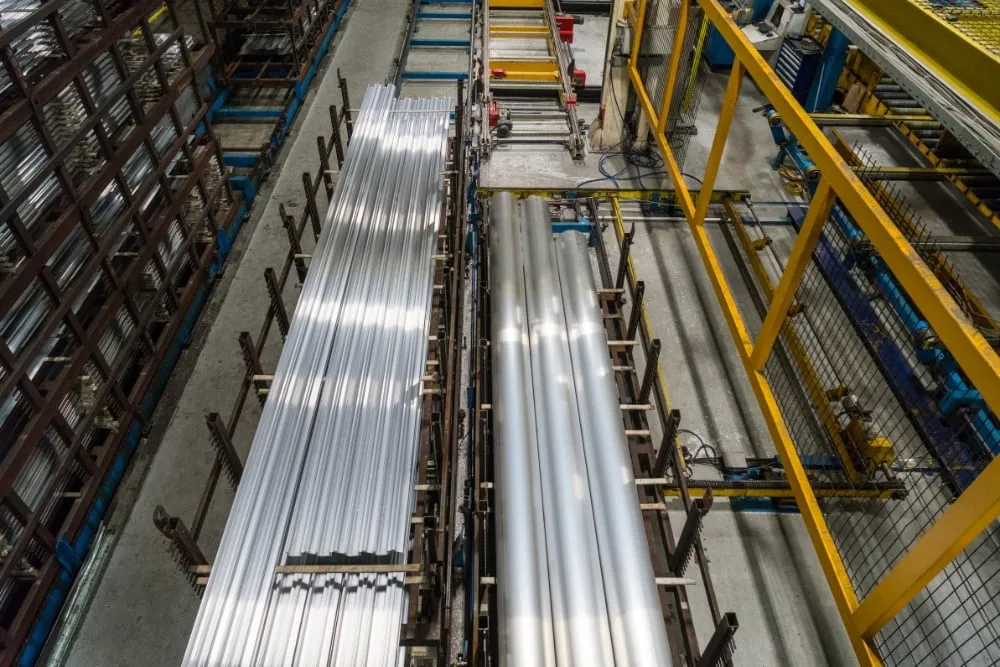
Australian aluminium production practices sustainability through reducing carbon emissions, using recycled materials, and implementing energy-efficient processes. Read on to explore the positive impacts of these sustainable initiatives.
Reduction of carbon emissions
Reducing carbon emissions involves investment in eco-friendly practices and green technology. Energy-efficient processes and sustainable materials lower the carbon footprint of production.
Emission reduction supports the goal of carbon-neutral production and a more environmentally responsible approach.
Resource efficiency and eco-friendly manufacturing contribute to reducing carbon emissions in the aluminium production process. Sustainable practices play a significant role in environmental conservation and preservation efforts for a greener future.
Use of recycled aluminium
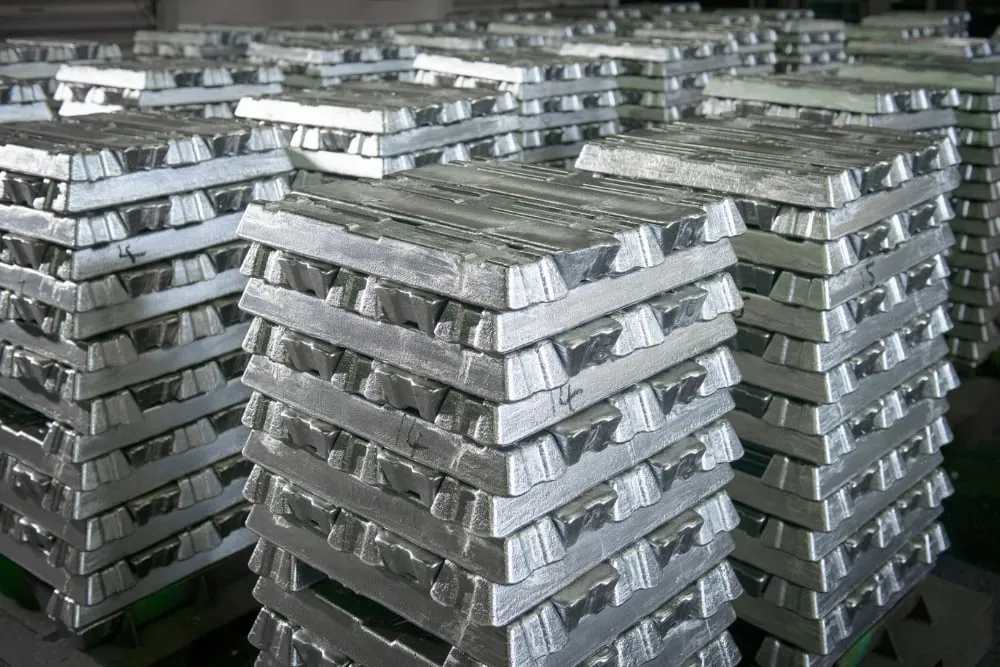
The use of recycled aluminium is a key sustainability initiative in Australian production. Incorporating recycled aluminium into the manufacturing process reduces the need for extracting new raw materials and lowers energy consumption.
This not only leads to significant reductions in carbon emissions but also conserves natural resources. Using recycled aluminium contributes to a more sustainable future for all.
Incorporating recycled aluminium into production processes supports low carbon emissions and green production. Using recycled aluminium lowers environmental impact, promotes responsible procurement and reduces waste.
Reducing energy consumption
Reducing energy consumption in Australian aluminium production is a key focus for sustainability. Energy-efficient technologies and processes lower overall energy usage.
This reduces environmental impact and cuts operational costs, benefiting both the industry and the environment.
Implementing energy-saving practices supports the move towards carbon-neutral production. Ongoing advancements in technology and strategic partnerships can further minimise energy consumption while maintaining output quality.
Responsible procurement
Responsible procurement is a vital aspect of sustainable aluminium production. It means carefully selecting suppliers with eco-friendly values and ethical standards, so that materials are responsibly sourced.
Prioritising recycled aluminium and supporting environmentally conscious suppliers helps reduce the environmental impact of production processes.
Responsible procurement also supports local economies and communities. Choosing suppliers who prioritise fair labour practices and ethical sourcing upholds social responsibility.
Impacts of Sustainable Aluminium Production
Sustainable aluminium production has significant environmental benefits, such as reducing carbon emissions and minimising energy consumption. It also brings about economic advantages by promoting responsible procurement and supporting local communities.
Environmental benefits
Choosing sustainable aluminium production reduces carbon emissions and minimises impact on the environment. This contributes to cleaner air and a healthier planet for future generations.
Using recycled aluminium helps conserve natural resources while reducing energy consumption and lowering the overall environmental footprint.
Embracing responsible procurement practices ensures that the extraction of raw materials is done in an environmentally friendly manner, further supporting the health of our ecosystems.
Embracing eco-friendly manufacturing processes not only benefits the environment but also promotes a more sustainable future for us all. Carbon-neutral production and eco-friendly practices work towards a greener world while still meeting the need for aluminium.
Economic benefits
Switching to sustainable aluminium production not only benefits the environment but also offers economic advantages. Using recycled aluminium and reducing energy consumption can lower production costs, and those savings can be passed on to customers.
Additionally, with growing consumer demand for eco-friendly products, embracing sustainable practices positions a supplier as responsible in the market, attracting new business opportunities.
Additionally, investing in sustainability initiatives aligns with long-term cost savings by minimising resource use and boosting efficiency. As a result, producers can offer competitive pricing while contributing to the global efforts towards environmental preservation.
Social benefits
Switching to sustainable aluminium production methods not only has positive effects on the environment but also brings about significant social benefits. Eco-friendly practices such as reducing carbon emissions and utilising recycled aluminium contribute to cleaner air and a healthier community for everyone.
Additionally, responsible procurement supports local economies and promotes fair labour practices, creating more job opportunities and better working conditions within the industry.
Embracing sustainability in Australian Aluminium Production means actively contributing to a brighter future for society as a whole. This approach protects the environment and promotes social well-being through ethical business practices and community support initiatives.
Future of Sustainable Aluminium Production in Australia
As technology continues to advance, collaborations and partnerships will play a crucial role in driving sustainable aluminium production forward in Australia. Read on for more insights into the future of eco-friendly manufacturing in the Australian aluminium industry.
Advancements in technology
Investment in cutting-edge technology for aluminium production helps meet sustainability goals. Innovations like advanced smelting techniques and energy-efficient processes are helping reduce the carbon footprint of production.
Additionally, improvements in refining methods and material handling equipment are contributing to eco-friendly manufacturing practices. These advancements help make aluminium products that are both sustainable and reliable.
As technology continues to evolve, smart sensors and automation can also optimise resource usage. These innovative tools help streamline operations while minimising waste and energy consumption.
Collaborations and partnerships
Collaborations and partnerships between industry leaders help achieve sustainability goals. By working together, industry leaders can share best practices and innovations that drive the entire aluminium production sector towards a more eco-friendly future.
These partnerships also allow partners to leverage each other’s strengths for research and development, ultimately benefiting both the businesses involved and the environment.
Collaborating with partners in different sectors, such as technology or renewable energy, brings valuable insights that help continually improve sustainable practices.
Ongoing commitment to sustainability.
Prioritising sustainability means implementing eco-friendly practices in manufacturing processes.
Responsible procurement and the use of recycled aluminium minimise the impact on natural resources while contributing to a circular economy. Advancing technology and fostering collaborations and partnerships further enhance sustainable initiatives.
Eco-friendly manufacturing benefits the environment and contributes positively to society as a whole.
Innovative solutions that reduce energy consumption have tangible effects on the environment.
The Outlook for Sustainable Aluminium Production
In conclusion, sustainable practices in Australian aluminium production are making a significant impact. Key players are leading the way towards eco-friendly manufacturing and carbon-neutral production.
The future looks promising with advancements in technology and ongoing commitment to sustainability. We can expect continued positive environmental, economic, and social benefits from these initiatives.